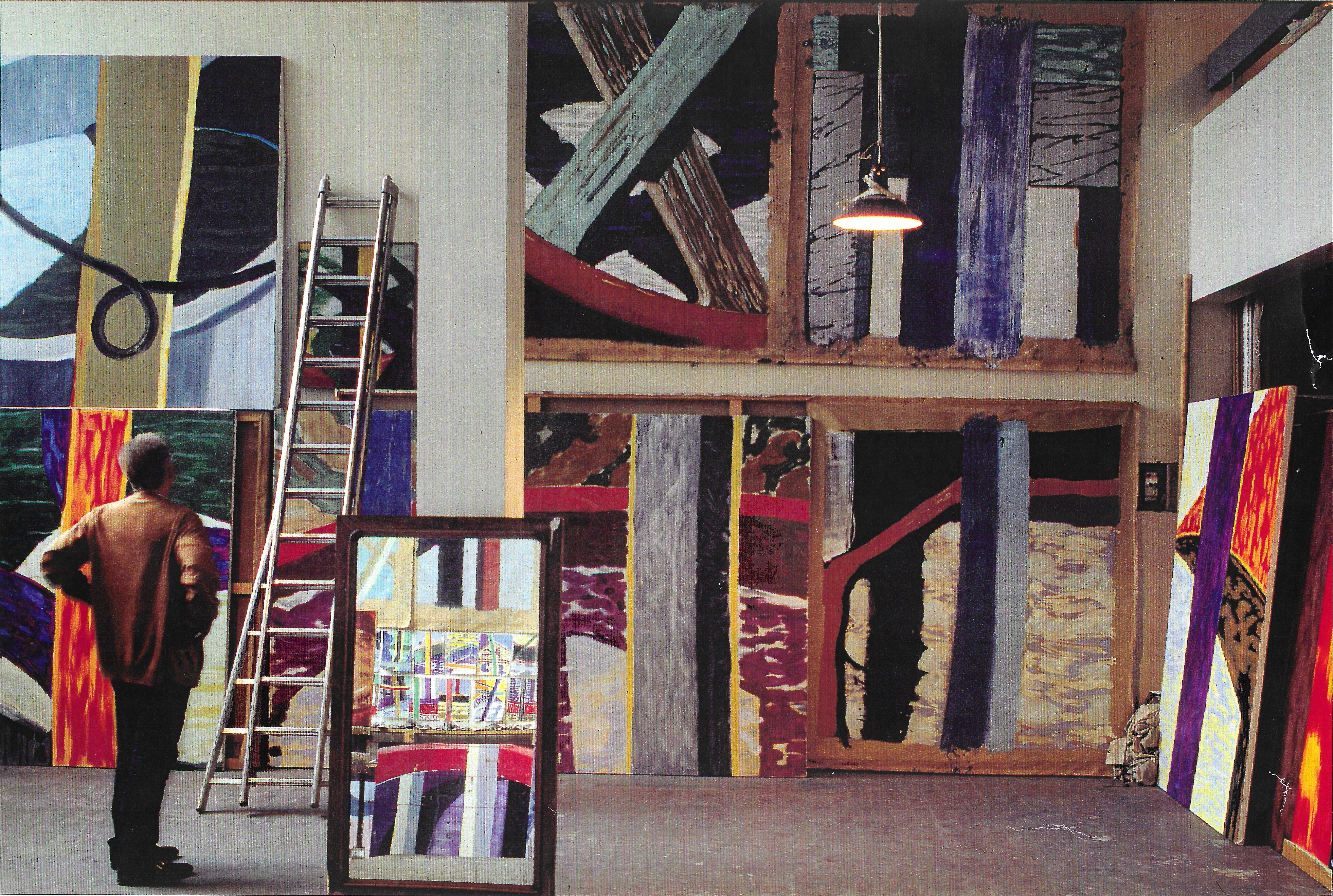
Roberto Platé
Né à Buenos Aires en 1940, Roberto Platé est l’un des pionniers de l'avant-garde argentine de l'après-guerre. Peintre, plasticien et scénographe, il a construit sur plus de cinq décennies une œuvre traversant les langages - opéra, théâtre, installations, peinture - qui l'a mené de Buenos Aires à New York, puis à Paris, où il s'est imposé sur les plus grandes scènes d'Europe et d'Amérique latine. Sa formation commence très tôt à l'École des Beaux-Arts de Munich, dont il sort diplômé en 1966. L'héritage du Bauhaus façonne durablement son rapport à l'espace, à la construction formelle et au dialogue entre art et architecture, une grammaire qui inspirera aussi bien ses scénographies futures que sa peinture.
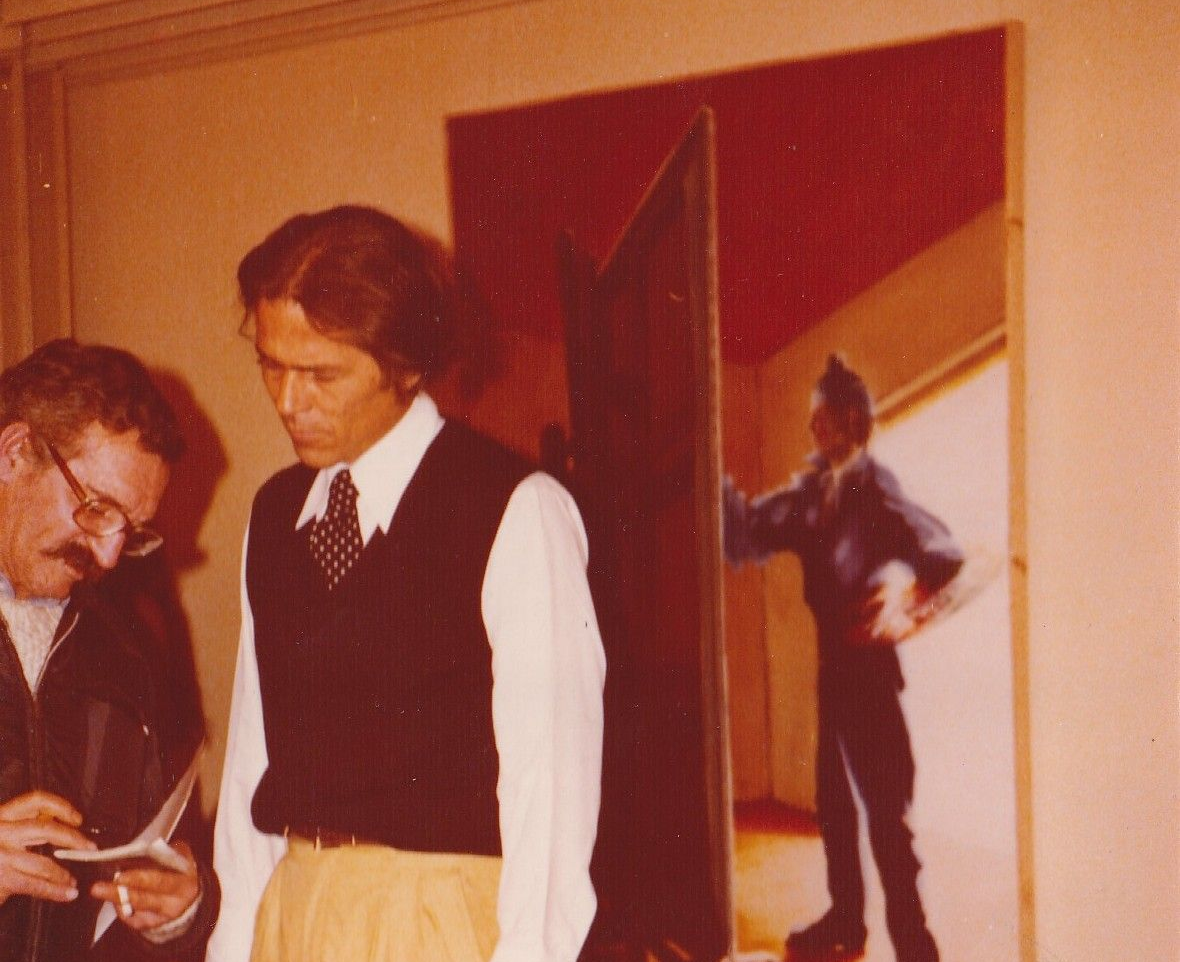
L'Instituto Di Tella et l'avant-garde latinoaméricaine
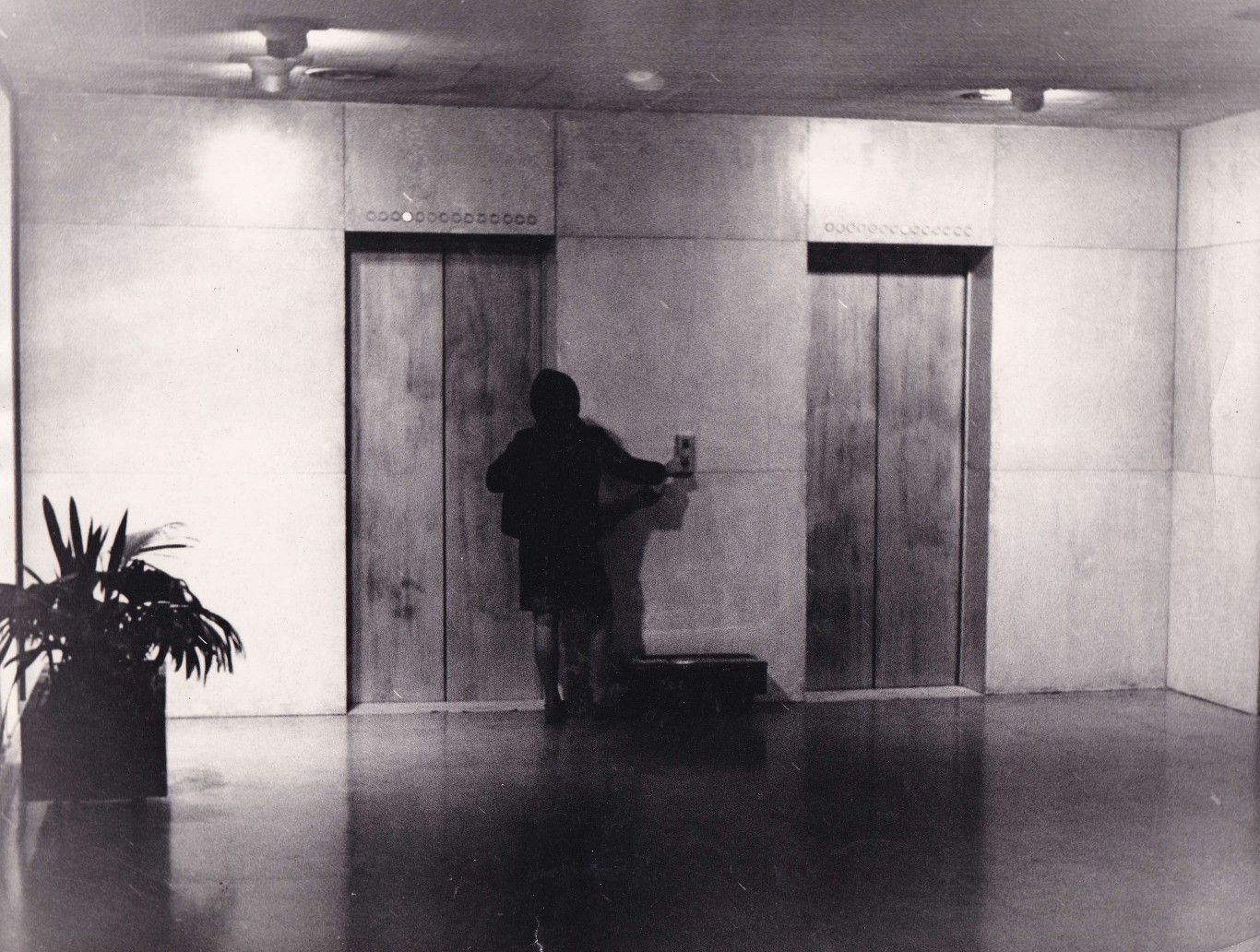
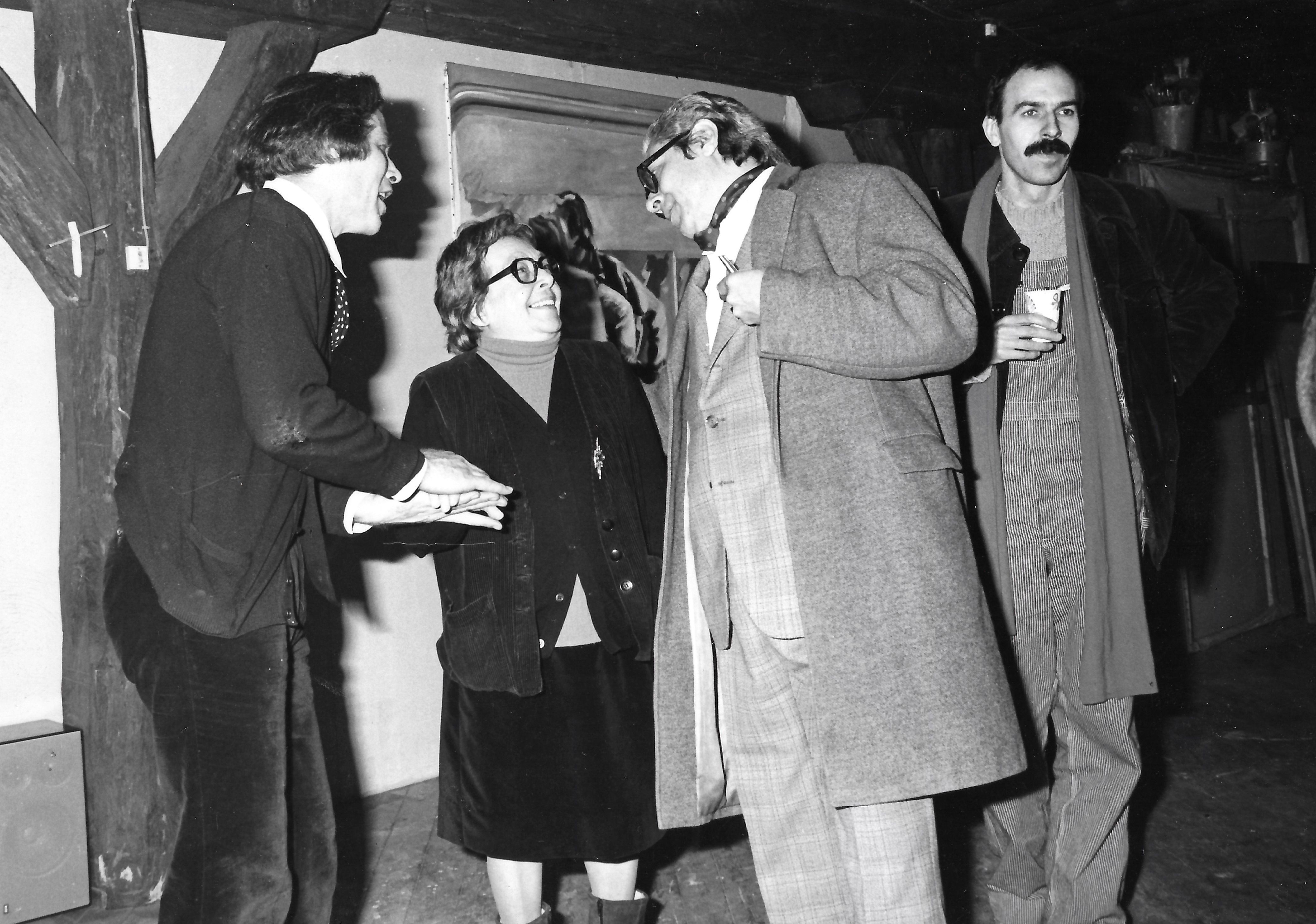
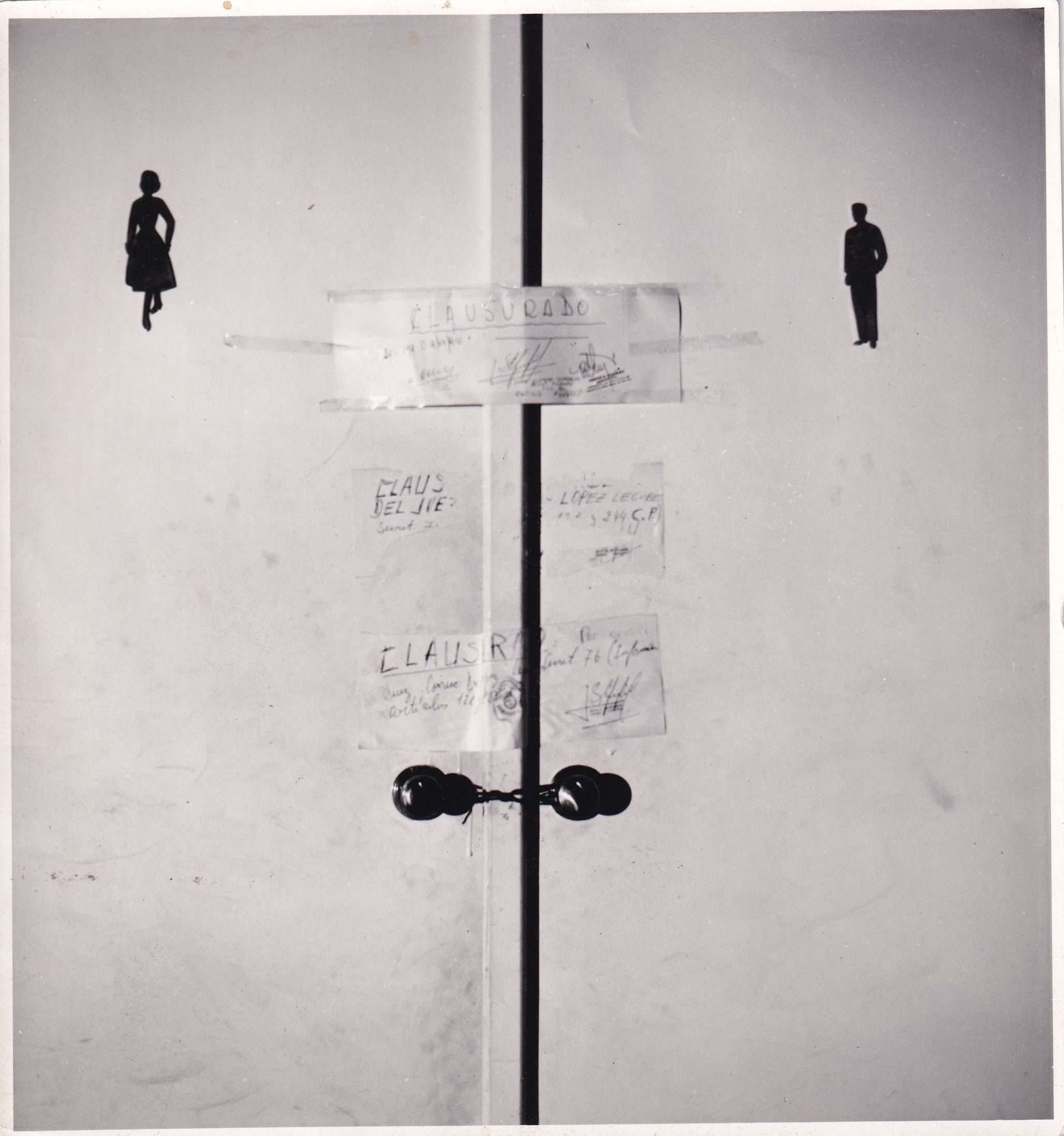
De retour à Buenos Aires, Platé rejoint l'Instituto Di Tella entre 1966 et 1968. L’Instituto Di Tella est alors le foyer névralgique non seulement de la scène argentine mais de toute l'Amérique latine, souvent comparé à la Factory new-yorkaise de Warhol. À la croisée du bouillonnement mondial de 1968, les artistes Marta Minujín, León Ferrari et Julio Le Parc y expérimentent de nouveaux langages aux côtés de Platé. Dans ce même cercle, il fait la rencontre de l'écrivain Copi (Raúl Damonte Botana), qui deviendra son plus proche complice. Happenings et installations redéfinissent les frontières entre l'art et le réel. Son œuvre La Matrice - silhouette humaine libérée d'un bloc massif - lui vaut le Prix George Braque en 1967 ; Les Ascenseurs remporte le Prix Ver y Estimar l'année suivante. En mai 1968, Los Baños provoque une rupture historique. L'installation invite les visiteurs à s'exprimer librement dans des cabines de toilettes factices. L’espace de parole collective créé est immédiatement lu comme acte de résistance par la dictature du général Onganía,. Le scandale entraîne la fermeture définitive de l'Instituto Di Tella. Platé quitte l'Argentine.
New York, le Groupe TSE (1969)
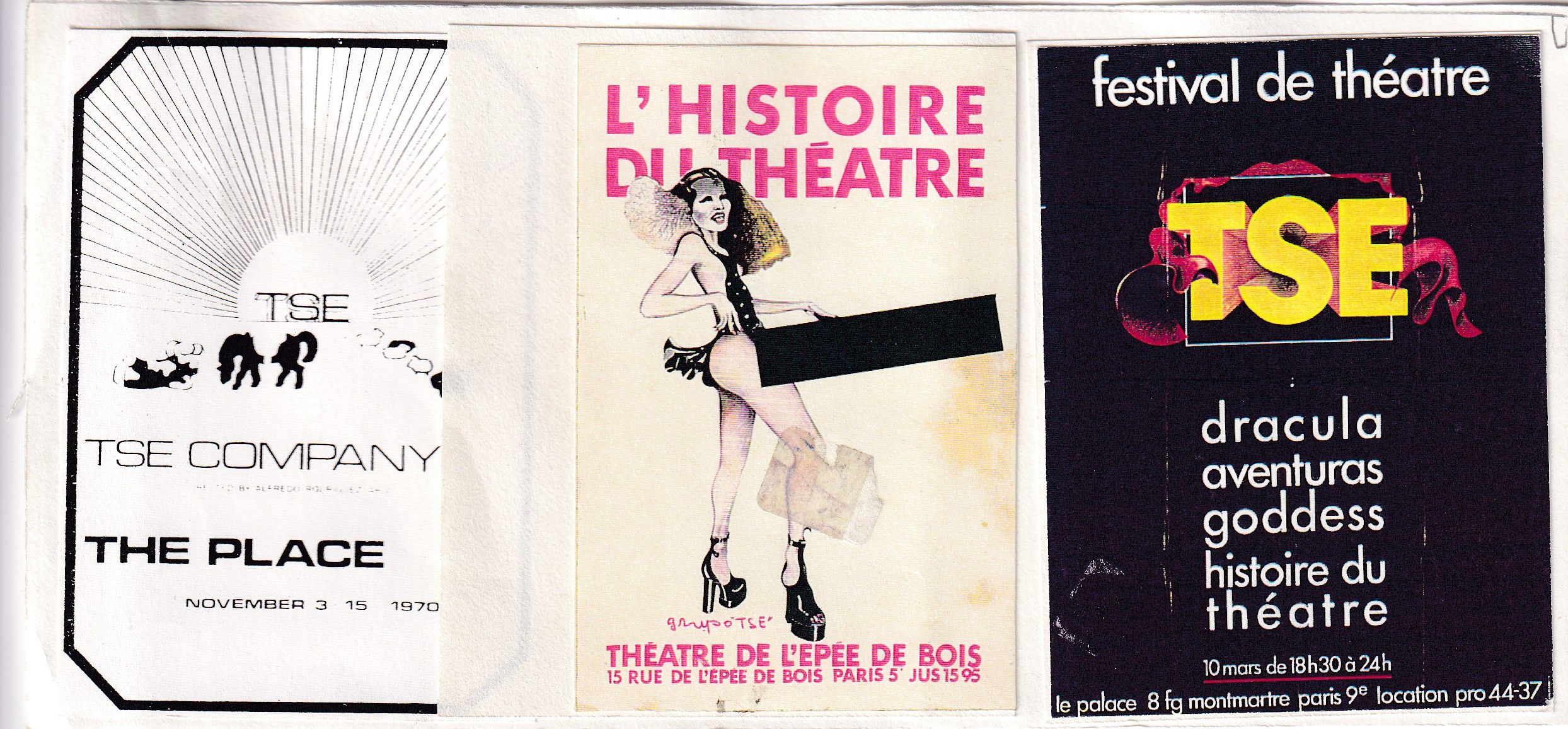
Roberto Platé et Alfredo Arias quittent l'Argentine en 1969 avec un groupe d'amis artistes. Ensemble, ils fondent le Groupe TSE (Théâtre Sans Explication) et gagnent New York via Caracas, accueillis par le Center for Inter-American Relations - aujourd'hui connu sous le nom d'Americas Society -, financé par la Fondation Rockefeller. La scène Pop Art marque profondément leur passage new-yorkais, aux côtés de James Rosenquist, Claes Oldenburg, Marisol Escobar, Andy Warhol et de James Lee Byars, figure majeure entre minimalisme et art conceptuel. Cette double imprégnation, couleurs vives du Pop et économie du minimalisme, deviendra l'une des tensions les plus fertiles de toute l'œuvre à venir. À Paris, ils retrouvent Copi, qui dédiera à Platé son premier roman, L'Uruguayen (1973).
Paris : une carrière de plateau internationale
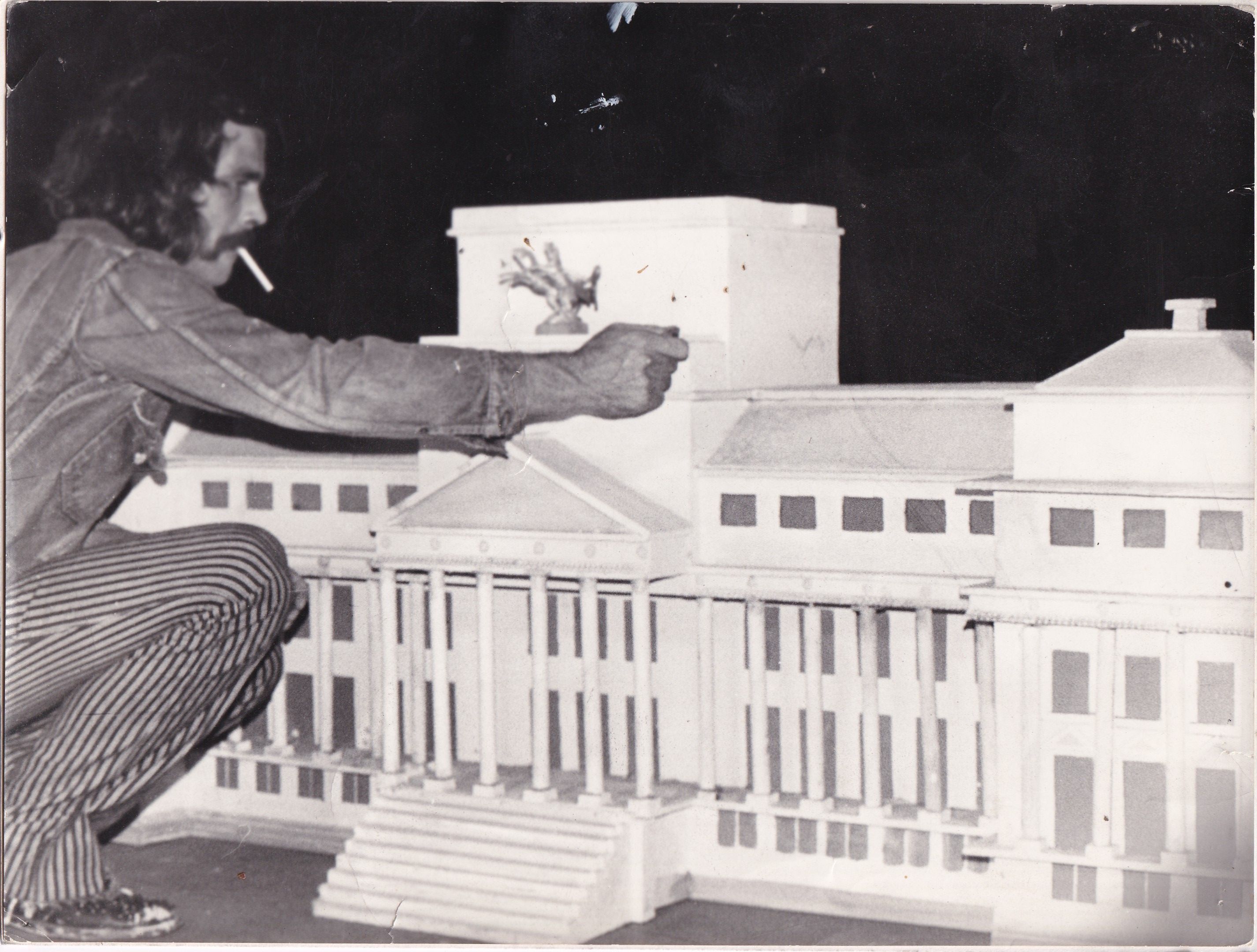
Platé signe dès 1970 la scénographie d'Eva Perón, pièce de Copi créée au Théâtre de l'Épée de Bois. Performers travestis, ton transgressif - politique, absurde et liberté sexuelle mêlés -, le spectacle déclenche un scandale immédiat avant d'atteindre un succès durable. « Les Argentins », surnommés par les milieux théâtraux, introduisent une liberté neuve dans le jeu, le genre, le corps, la façon même de concevoir un plateau. Le langage de mise en scène de l’artiste-scénographe s'impose par une rigueur absolue: rendre l'invisible visible, dépouiller jusqu'à l'os, créer des perspectives vertigineuses qui font du vide un matériau à part entière. Plus de 120 productions jalonnent cette carrière en France, en Europe, aux États-Unis et en Amérique latine : avec le chorégraphe Dominique Bagouet (Fantasia Semplice, 1986), Pierre Constant (I Masnadieri, 1980 ; Werther, 1988), parmi d'autres. En 2001, au Teatro Colón de Buenos Aires - metteur en scène, scénographe et costumier à la fois - sa production de Jeanne au Bûcher d'Arthur Honegger reçoit le Prix A.C.E. de la meilleure production lyrique.
Peintre avant tout
Ces décennies de plateau sont menées en parallèle d'une pratique picturale que Platé tient dans l'ombre depuis les années 1960, il n'expose son œuvre de peintre qu'à quelques collectionneurs reçus à l’atelier. Ce n'est qu'en 1977, à l'initiative du Centre Culturel du Marais, qu'il consent à sortir de ce qu'il appelle lui-même sa « grotte ».
« Pour la peinture, je ressens un immense respect et amour. Elle existe par elle-même et est le produit d'un travail solitaire qui me permet d'être avec moi-même. Elle est le “ventre” de la création. » (1987)
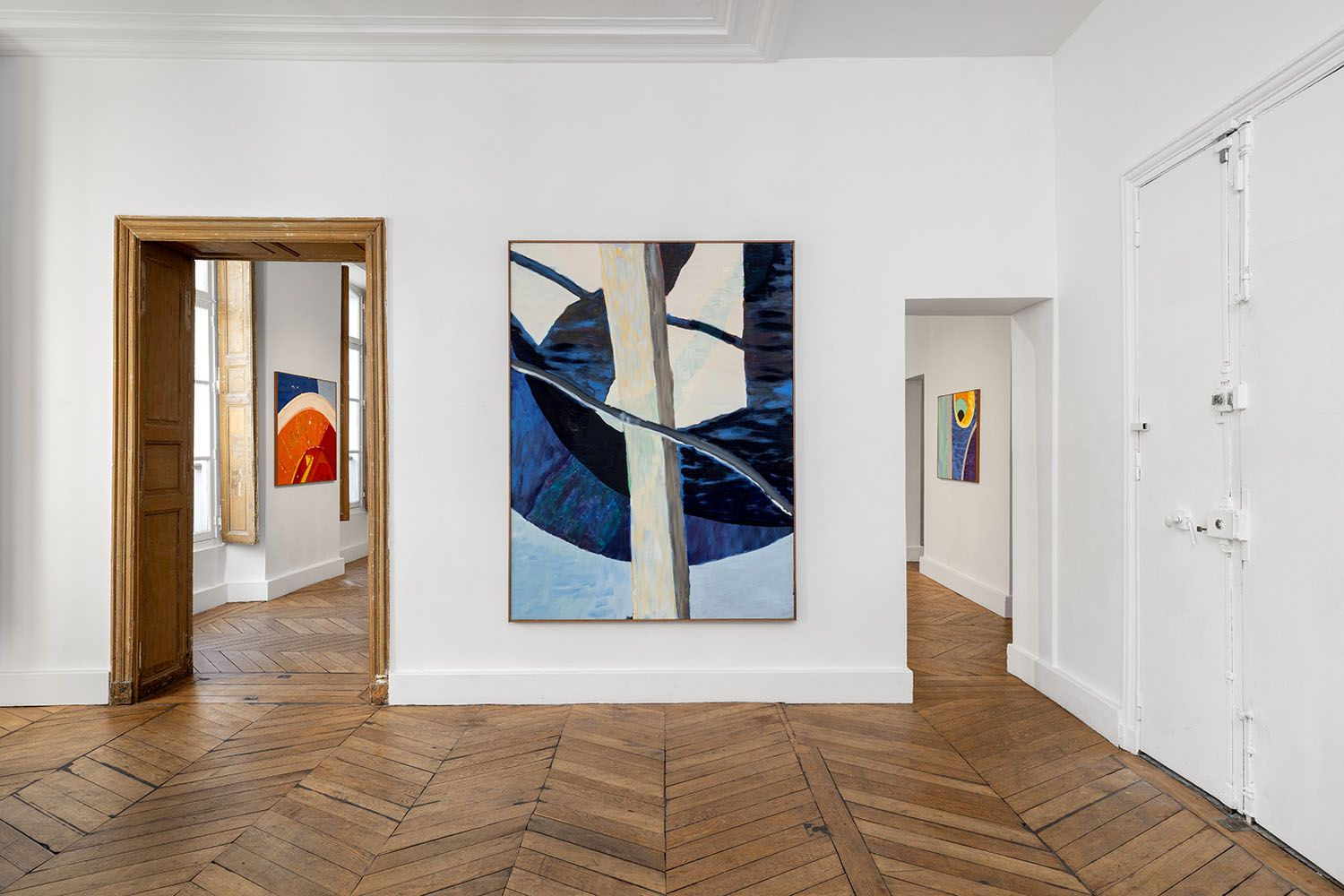
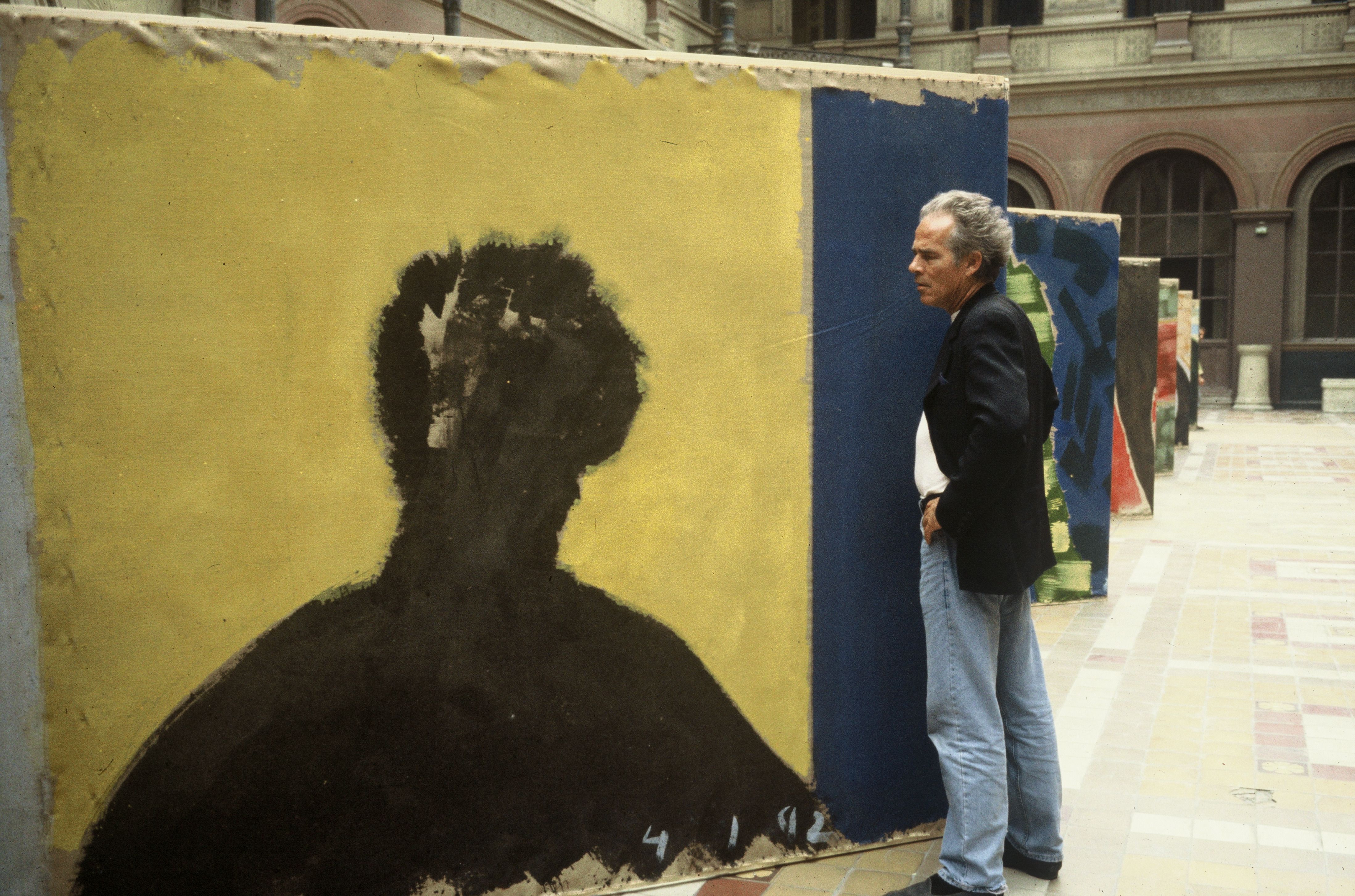
Depuis son atelier à Télégraphe, dans le 19e arrondissement de Paris, espace de travail depuis 1982, il peint à larges aplats, couleurs vives éclaircies de blanc, dans des formats parfois monumentaux. Les cadrages et ruptures d'échelle laissent transparaître une pensée du plateau intériorisée. En 1992, il déploie un Leporello de trente toiles de 3 mètres sur 2 qui couvre l'intégralité de la Galerie des Beaux-Arts de Paris. La Galerie Isy Brachot présente ensuite ses peintures à la FIAC, au Grand Palais ; ses œuvres entrent dans les collections notamment de Pierre Bergé et du CNAP.
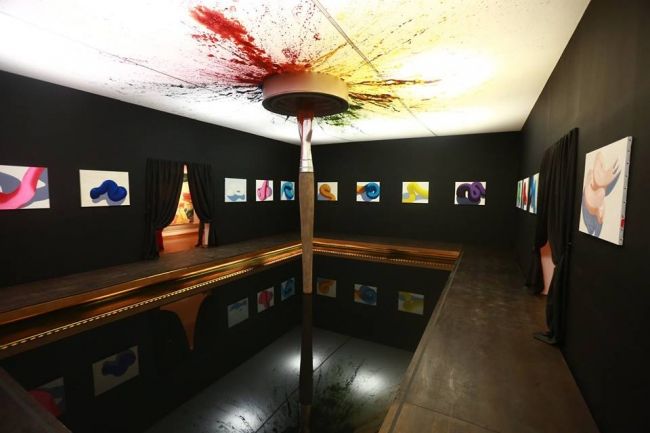
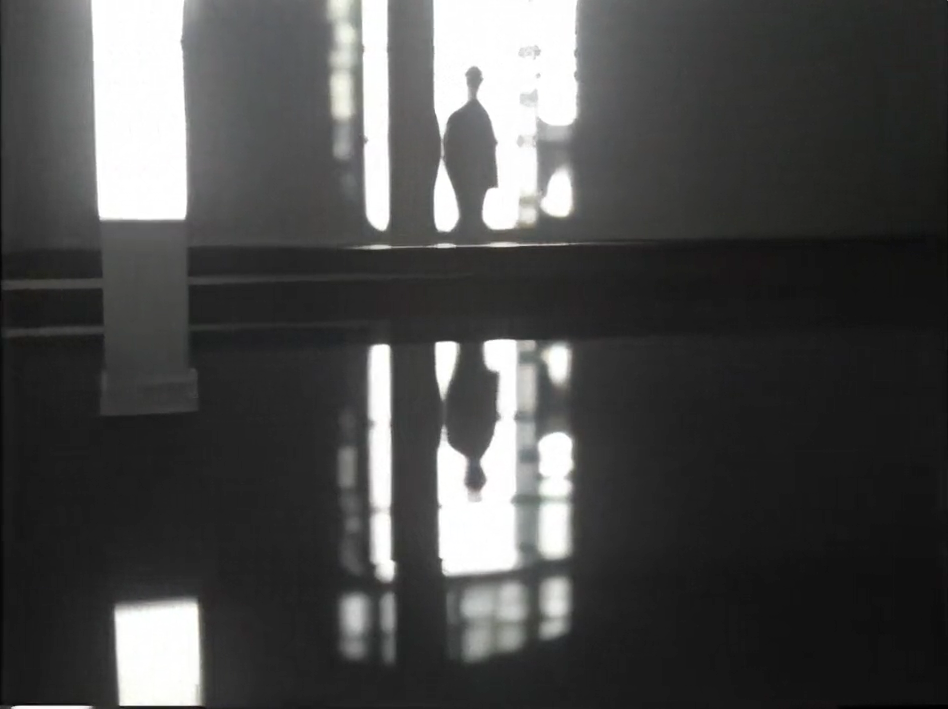
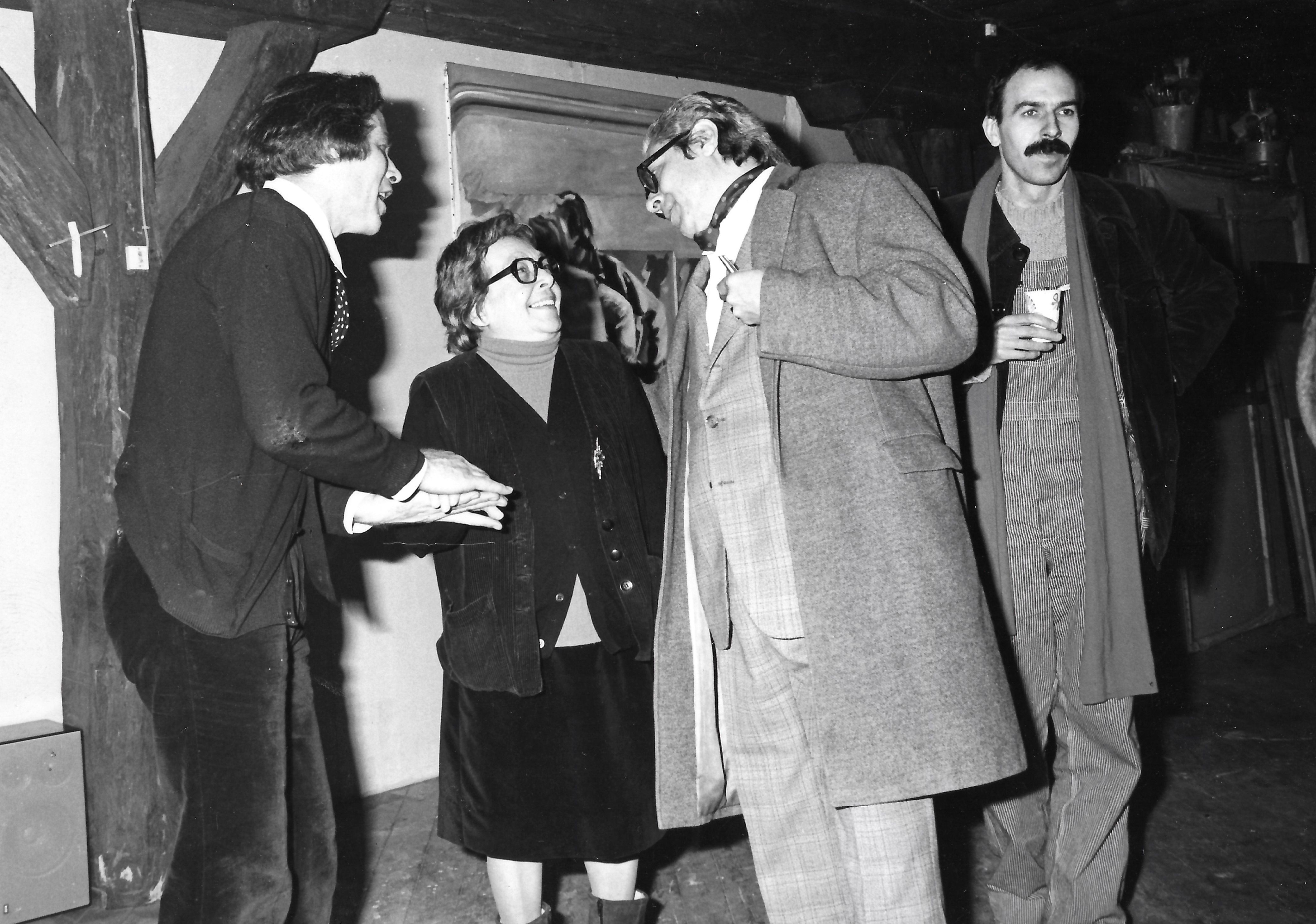
Dès 1980, il se lie d’amitié avec Marguerite Duras. C’est la rencontre entre deux sensibilités, deux façons singulières d'habiter le silence et la matière. Cela la conduit à préfacer l'un de ses catalogues d’exposition en 1987. La même année, avec Jean-René de Fleurieu, il investit les friches des Quais de la Gare pour une série d'installations monumentales (1990, 1994, 1996), dont est issu le court métrage Le Reflet (1990), filmé par la directrice de la photographie Caroline Champetier. Son œuvre picturale progresse par cycles : portraits d'atelier et autoportraits, minimalisme, cycle des formes, peindre la peinture elle-même. À travers toutes ces périodes, le miroir et la mise en abyme s'imposent en signature, structurés par la colonne, motif récurrent dans les toiles comme dans les décors, porteur d'une verticalité à la fois formelle et symbolique, en résonance discrète avec la pratique soufie de l’artiste.
« Avec fierté je me considère peintre. Je crois que c'est la base de la matrice. De là je peux faire une scénographie, mais le contraire n'est pas possible. » (1997)
Reconnaissance
Chevalier de l'Ordre des Arts et des Lettres depuis 1992, Roberto Platé est représenté dans d'importantes collections publiques et privées. Après treize ans d'exil, il revient en 1981 en Argentine pour plusieurs expositions qui l'inscrivent dans l'histoire de l'art de son pays. Une rétrospective à la Recoleta (Buenos Aires), soutenue par le ministère de la Culture argentin, vient consacrer cette place en 1997. En 2016, le Musée des Beaux-Arts de Buenos Aires lui consacre une exposition d’une centaine d'œuvres, incluant la reconstitution de Los Baños, pièce fondatrice censurée créée près d'un demi-siècle plus tôt.